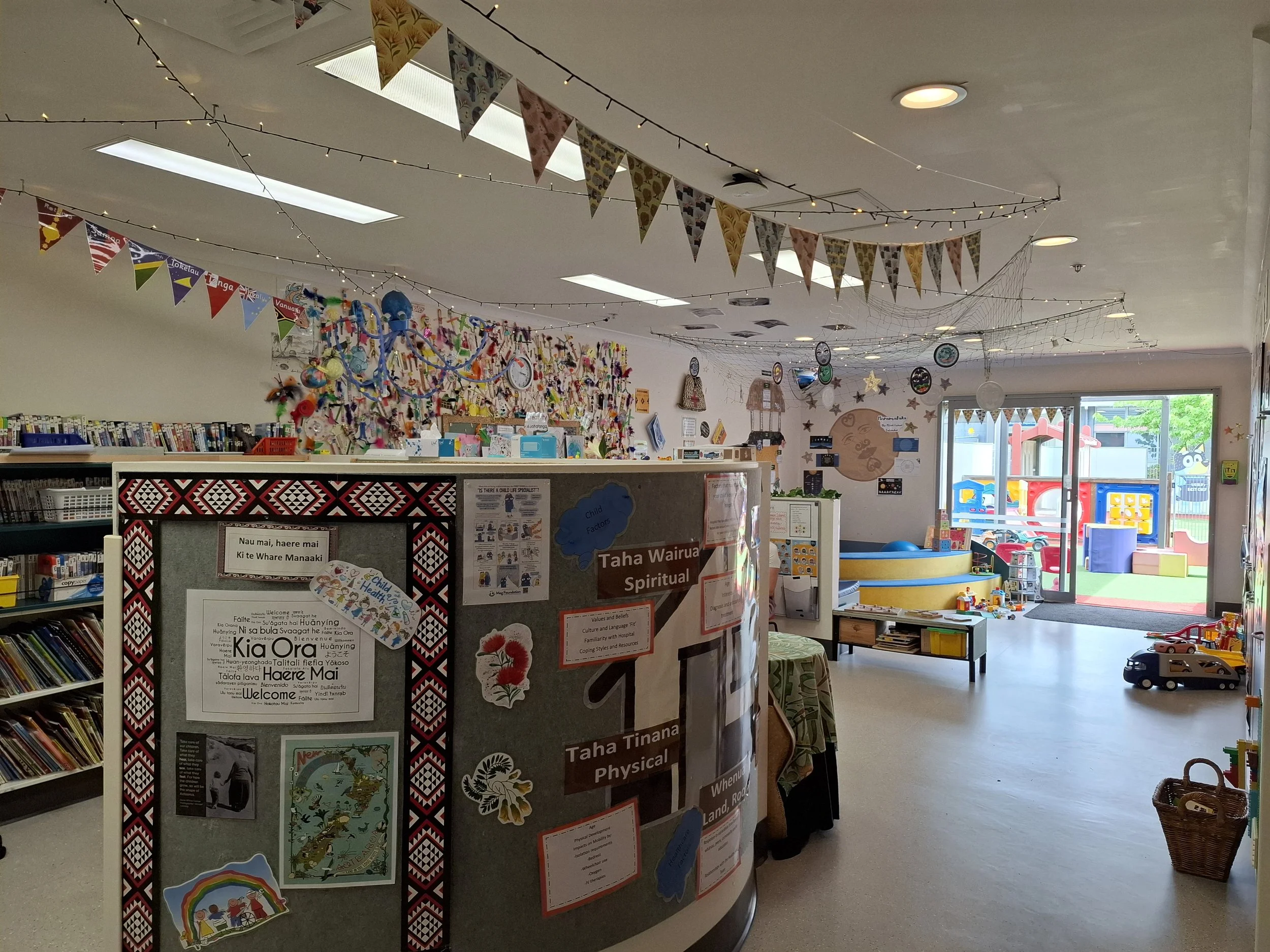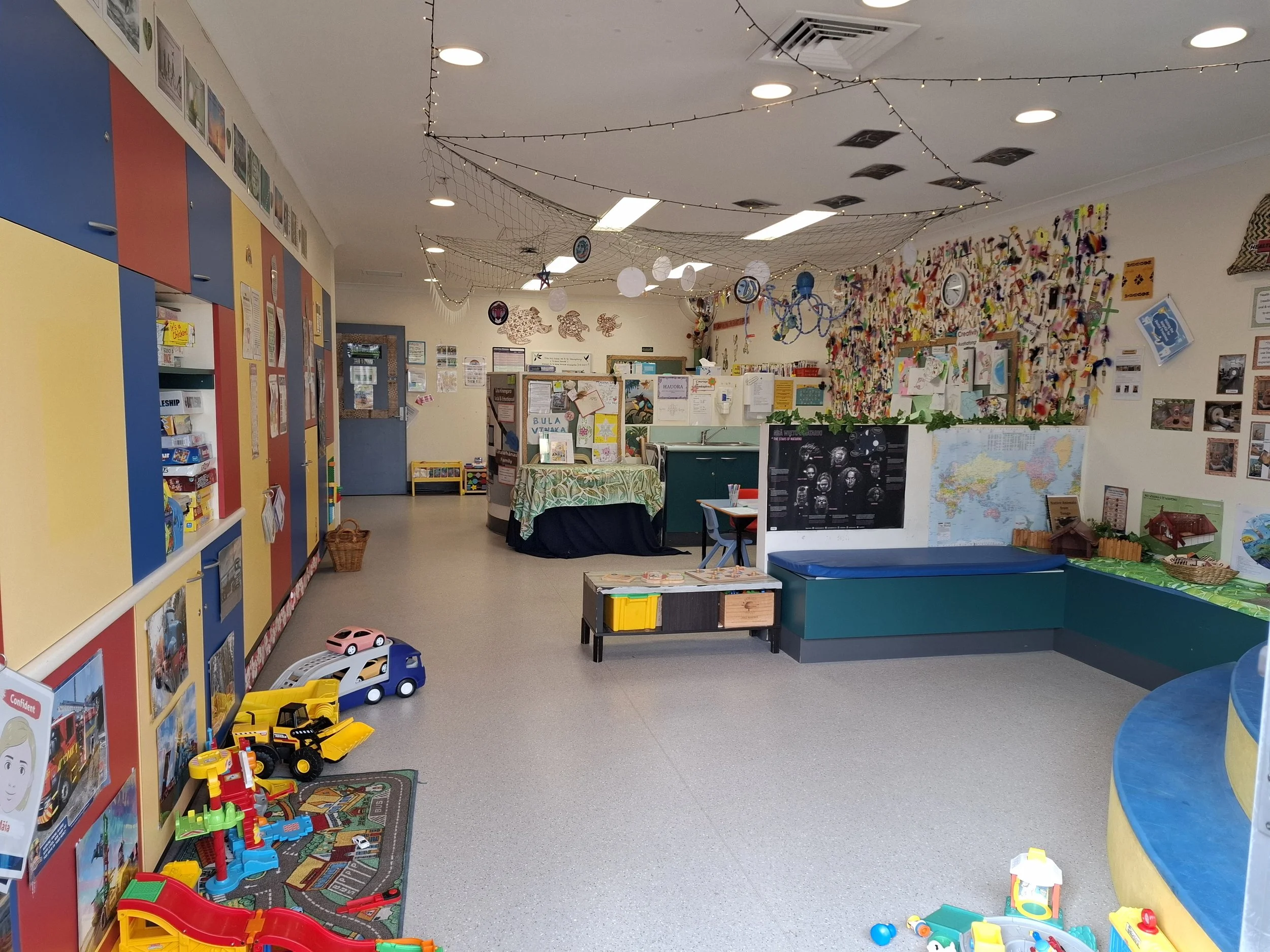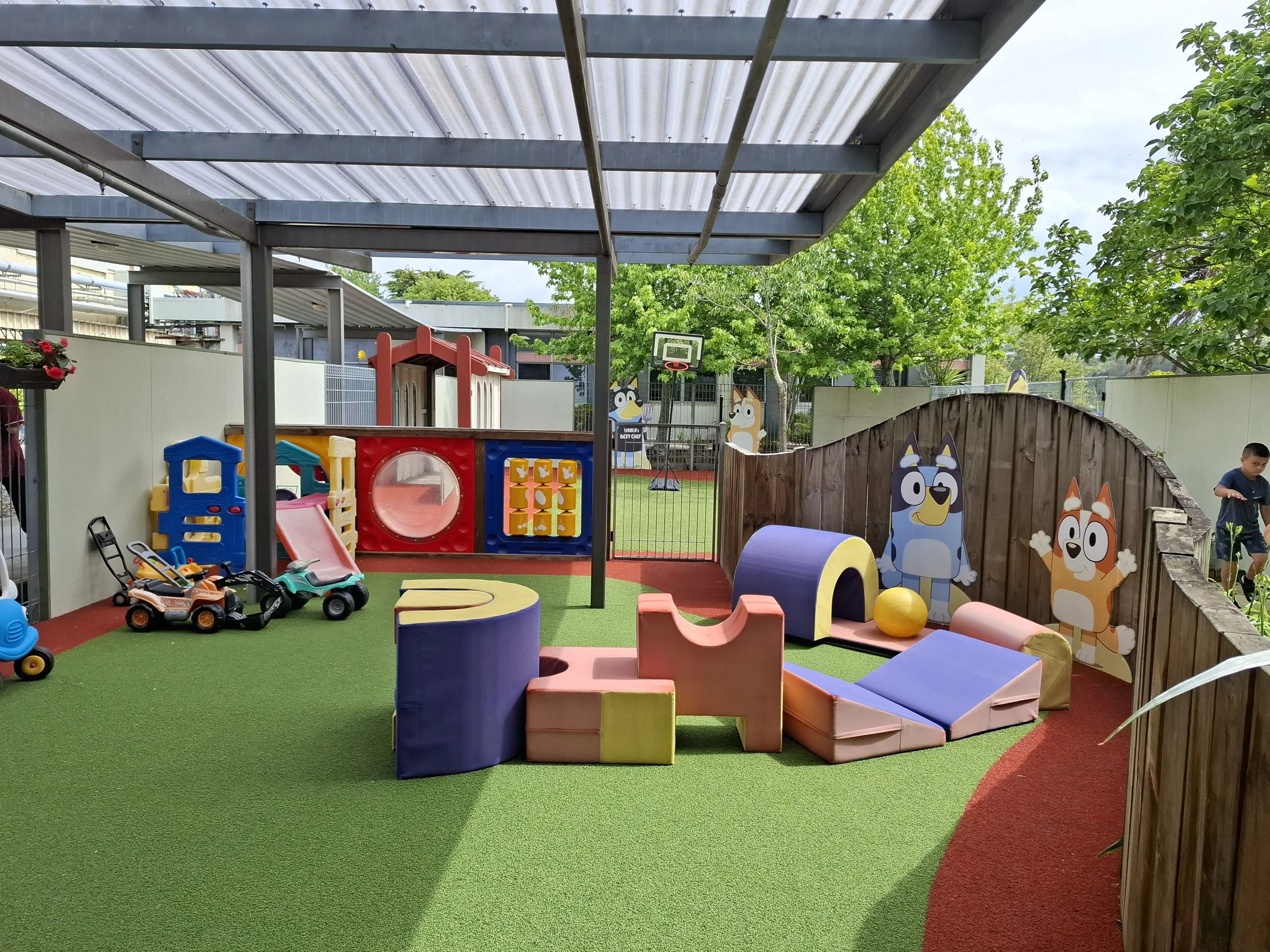
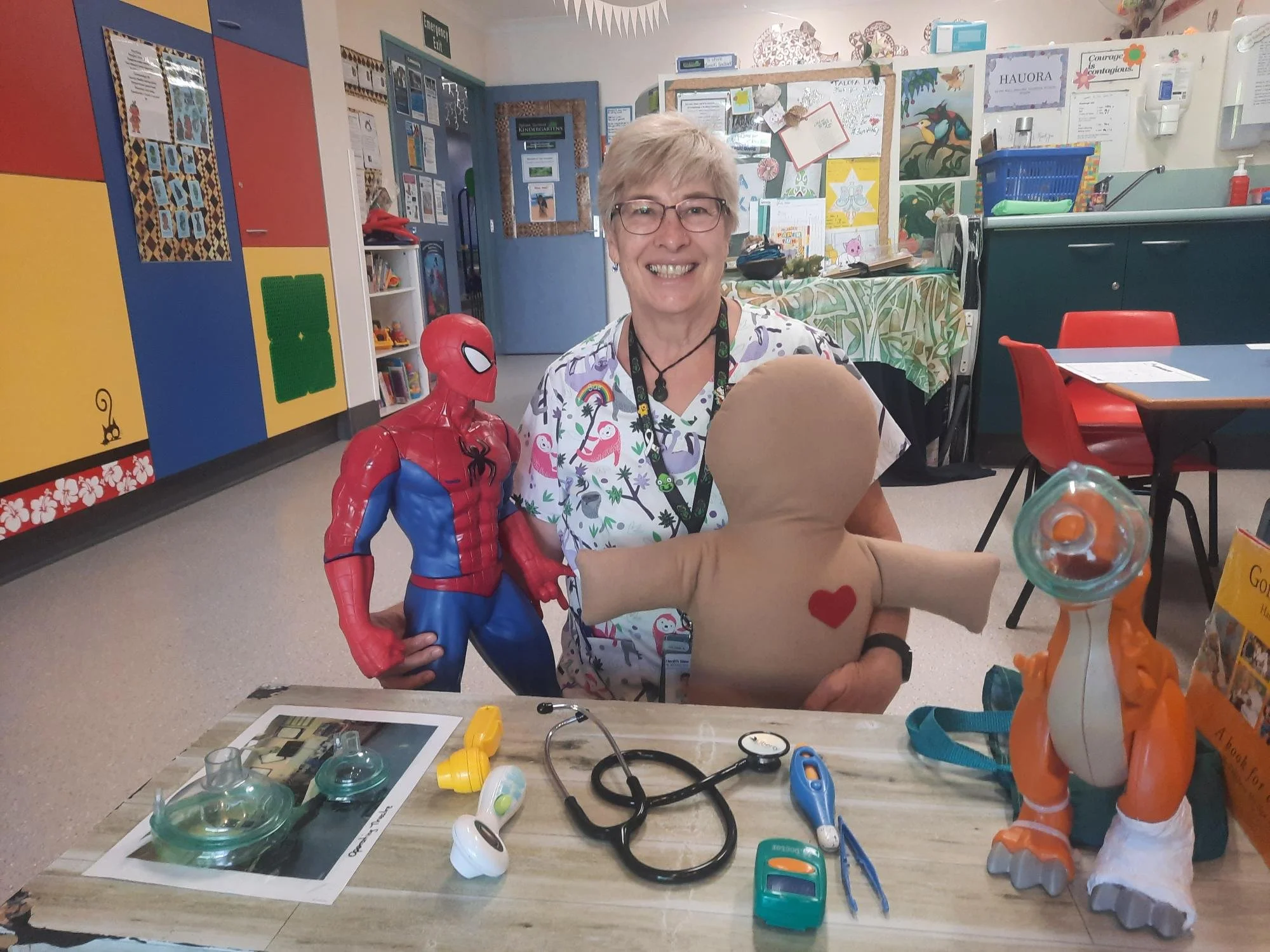
Head teacher/ Lead Hospital Play Specialist Sue Fahey at Te Whare Manaaki playroom.
Celebrating 10 years of Te Whare Manaaki at Nelson Hospital.
Today, we’re celebrating 10 years of Te Whare Manaaki, our early learning space in Nelson Hospital’s paediatric ward. It gives tamariki receiving hospital care the chance to keep playing, learning and enjoying familiar activities, even when they're away from home.
But Te Whare Manaaki is about more than having a place to play. Head teacher/ Lead Hospital Play Specialist Sue Fahey and the team support tamariki and their whānau through their hospital experience, helping make unfamiliar situations easier to understand and manage.
Since opening in 2016, the idea has remained the same: being in hospital doesn't change what tamariki need. Play, learning and having choices are still important.
Play makes a difference
Play gives tamariki a break from the medical side of being in hospital, but it also helps them make sense of what's happening around them.
Through art experiences, pretend play and using dolls or teddies, tamariki can explore feelings and experiences they might not have the words to express. They can revisit things that have happened and work through them at their own pace. Medical play is another important part of the work. Tamariki can become familiar with equipment, practise using an anaesthetic mask on a teddy or talk through what might happen during a procedure.
The team also works with tamariki, whānau and medical staff to develop individual coping plans for invasive and/or challenging procedures and happenings. These help tamariki understand what to expect and give them choices wherever possible, from how they would like to get to a treatment room to what might help during a procedure. Having some control can make a real difference when so much of the hospital experience is outside their control.
A different side of hospital
Play can bring out a different side of tamariki. Some arrive feeling quiet, unsure or nervous, but as they settle into play, their confidence and personality begin to shine through.
Sue describes seeing tamariki curled up in bed, looking miserable and withdrawn, begin to “unfurl” when someone takes the time to play with them. And play isn't just for those well enough to visit the playroom. The team also takes activities to the bedside for tamariki who are tired, unwell or unable to leave their room. Every tamaiti has the right to play, wherever they are in the ward.
Te Whare Manaaki is also a welcoming space for the whole whānau. Parents, siblings and other family members can spend time together away from the clinical environment, and the team is there to offer practical support, answer questions, make a hot drink or simply have a chat. They are also there for whānau navigating uncertain diagnoses, difficult treatments and, at times, the heartbreaking loss of a tamaiti.
The playroom is available to whānau around the clock and can also provide a more welcoming place to wait when a tamaiti is having day surgery.
The moments that stay with you
Over 10 years, there have been plenty of memorable moments. Some of the simplest show just how much a little play can help.
Sue remembers during her first week, a baby who was upset and crying during a blood test. By introducing bubbles, she helped settle the baby, who soon began smiling. Also that week, a four-year-old who regularly needed finger-prick blood tests was finding the experience difficult. Sue made a fart noise with a balloon, which the tamaiti found so funny that they laughed and held out their finger for the nurse for the first time. Another time, Sue role played being a pirate in theatre, helping an anxious pirate-mad tamaiti accept the anaesthetic mask and easily go off to sleep.
These moments have helped demonstrate the value of having someone there to support emotional wellbeing of tamariki alongside their medical care. They also highlight the skills early childhood kaiako bring to a hospital setting, with their understanding of play, learning and development.
“Seeing many, many tamariki who, along with our input, have successfully navigated something that they initially believed they couldn't, whether big or small, is a magic part of our work,” says Sue.
Keeping play part of the day
There are plenty of ways to play at Te Whare Manaaki, depending on what each tamaiti enjoys and feels up to doing. It might be art, books, puzzles, building, music, sensory activities, pretend play or getting outside for some fresh air. Sometimes a favourite activity helps a tamaiti relax. Other times, play can encourage them to get moving, build confidence or feel more comfortable in their surroundings.
Ten years on, Te Whare Manaaki has become an integral part of the Paediatric ward, and of children's experiences of hospital in Nelson. They continue to make room for the things that matter in childhood: play, learning, connection and the chance to simply be themselves.
Click on any of the photos in the gallery to view it larger.