Why kindergarten?
Nurturing Confident, Curious Learners
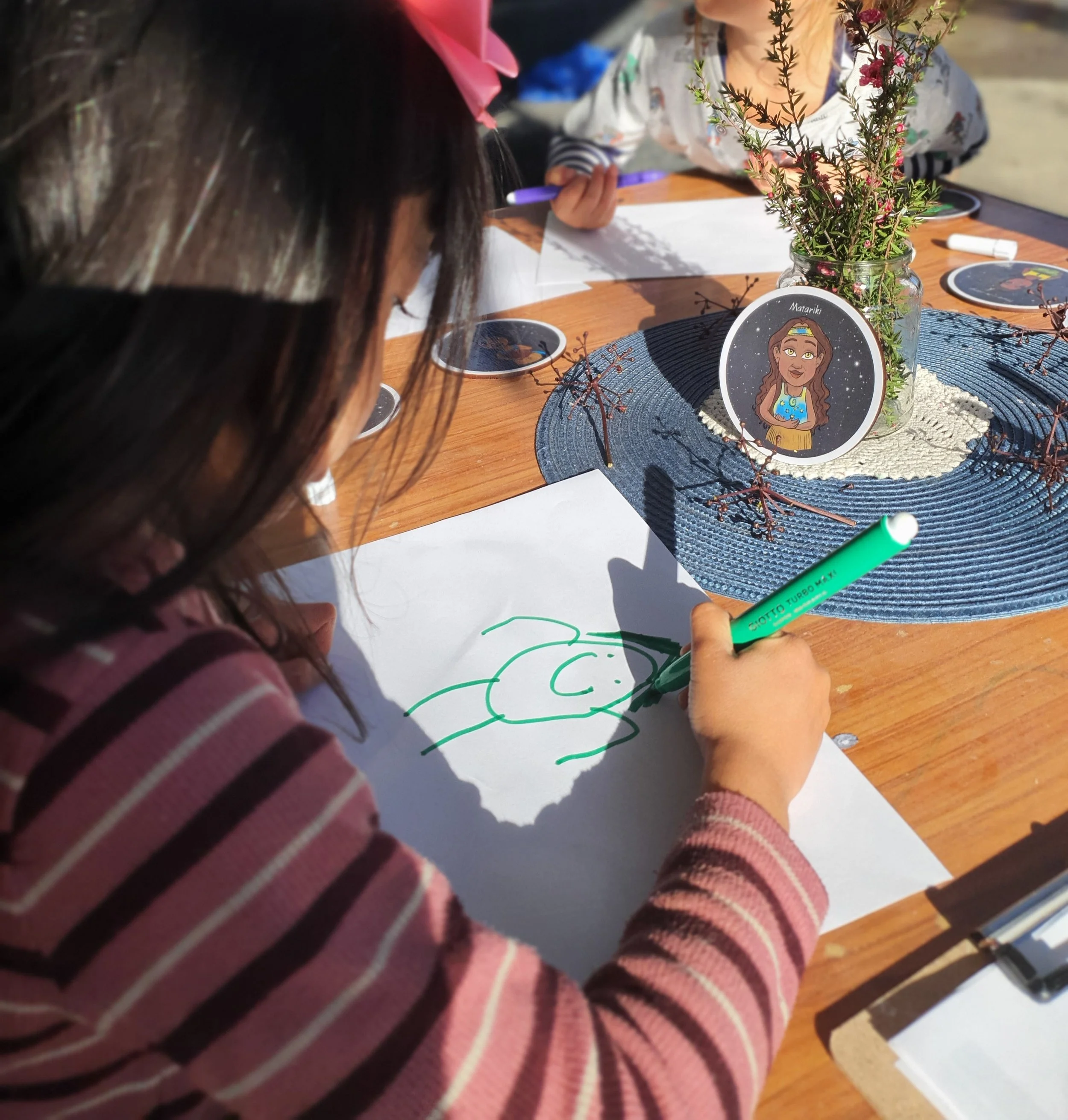
Starting kindergarten is an important step for your tamariki — a place where they’re warmly welcomed, cared for, and supported to grow into confident, curious learners.
At Nelson Tasman Kindergartens, we provide a nurturing environment where every child’s unique strengths and culture are celebrated. With qualified kaiako guiding learning through play and meaningful connections, kindergarten gives your child the best possible start on their lifelong learning journey.
Quality Education, Backed by a Trusted Network
The Association ensures all our kindergartens and centres maintain the highest quality and are well resourced.
Teachers share ideas across the Association, so each centre benefits not only from its own team but from the combined experience of over 150 teachers.
Administrators and teacher aides support the teaching teams, allowing them to focus on what they do best — giving tamariki the best possible start for their future hopes and dreams.
Kindergartens also receive guidance and support from Senior Education Advisors, the Management Team, the Board, and the Association Office.
To achieve a high quality education programme, kindergarten encompasses the following commitments:

A report by Dr Bradley Hannigan
The New Zealand Taskforce on Early Childhood Education (2011) identified that high quality early childhood education is essential for success in later life. Choosing a high quality early childhood provider is a decision that will have a lasting effect on your child and their future (OECD, 2011).
-
To help you in your decision, the following are characteristics of high quality early childhood settings:
Teachers are professionally trained and qualified
(Council of Australian Governments, 2009; Jalongo et al., 2004; NZEI, 2007; Smith, 1996)
There is a high ratio of teachers to children to allow for quality interactions
(Council of Australian Governments, 2009; NZ ECE Taskforce, 2011).
Teacher’s skills, updated through professional development, ensure ongoing high quality teacher/child interactions
(Wylie & Hodgen, 2007)
Teaching programmes combine the development of social skills with numeracy, literacy and problem solving competencies
(Wylie et al., 2008)
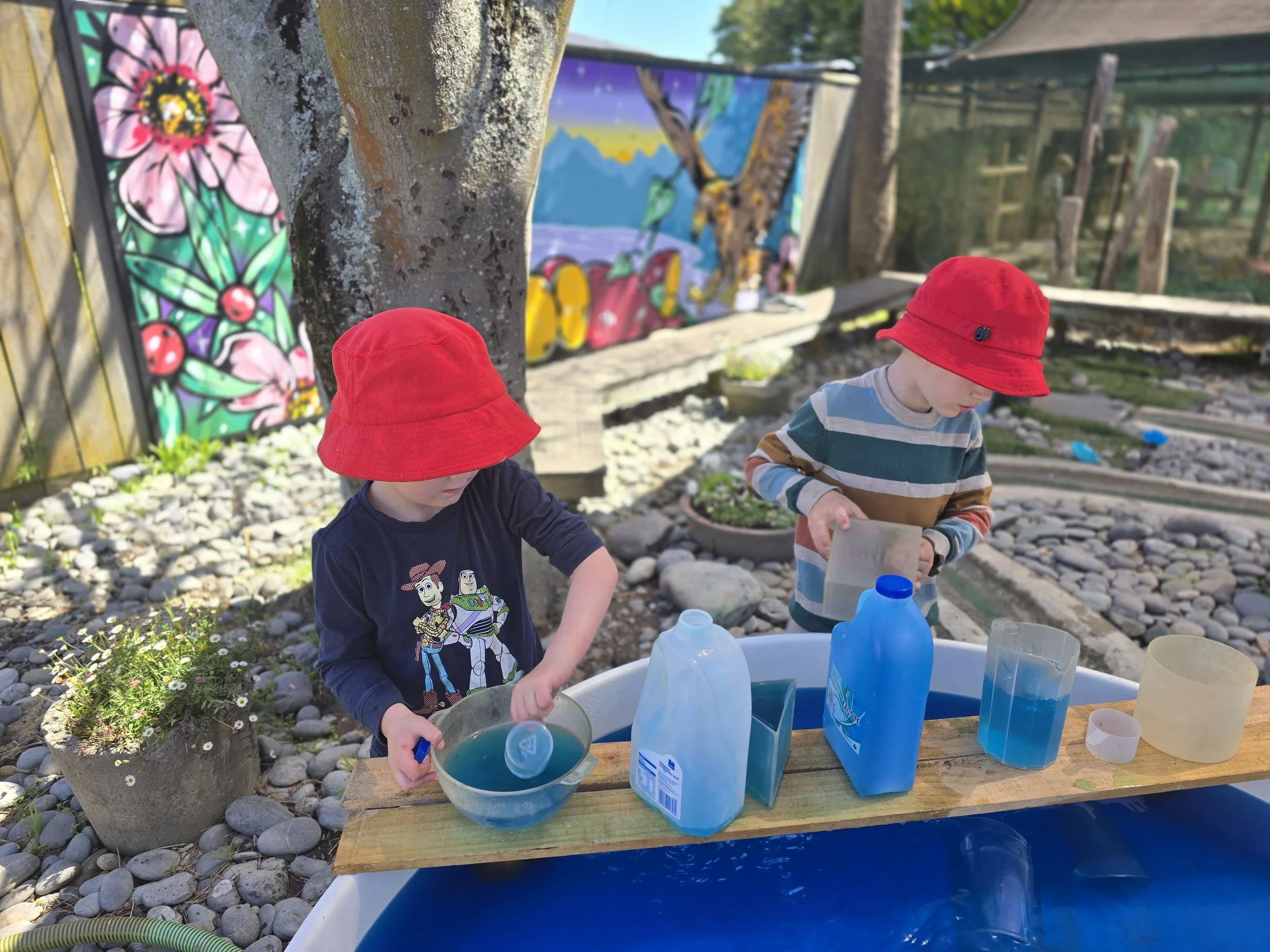
Children are allowed to spend most of their time in play-based activity – learning through their play
(Education Review Office, 2007)
Children are engaged in programmes that are developmentally appropriate, curriculum based and guided by qualified professionals
(Jalongo et al., 2004)
There are plenty of opportunities for meaningful parent involvement
(Quality Childcare Coalition of Bucks County, 2011)
Children’s cultural heritage is encouraged and celebrated
(Jalongo et al., 2004; Ministry of Education, 1996; NZ ECE Taskforce, 2011; Quality Childcare Coalition of Bucks County, 2011)
Children are encouraged to learn strategies to manage their own behaviour in a flexible and responsive learning environment
(Education Review Office, 2007)
The physical environment is challenging, safe and planned to extend children’s skills and learning (Carter, 2007; Education Review Office, 2007; Jalongo et al., 2004)
Research

The importance of the first 5 years
The first five years of life are the most important for establishing the best foundation for children’s future learning (Carr, 2001; Ministry of Education, 1996; Taskforce Report, 2011). By three years old children’s brains have completed their organisation and are ready to hardwire the connections that will serve children the rest of their lives (Perry, 2008).
-
Throughout the early years and especially at ages four and five, the best thing we can do for children is give them space to move, secure caring attachments and the ability to see themselves as powerful learners (Brainwave Trust). The part of the brain (the frontal lobe) that deals with writing, understanding text, using texts and numbers develops more fully after the age of 6 (Gurian & Stevens, 2004) and is largely dependent on adequate development of movement, attachment and attitude (Perry, 2008). A good attitude toward learning is a key component of later success.
At Nelson Tasman Kindergartens we provide high quality programmes designed to provide children with the basic skills they need to be effective and powerful learners. The most up to date research on learning in early childhood shows that where children are given the opportunity to practice meaningful skills in a safe and encouraging environment they will not only develop new abilities, but more importantly they will develop a positive image of themselves as an able learner (Dweck, 2006). This attitude is an invaluable in setting the foundation for future educational success (Lucas & Claxton, 2010; Sousa, 2011).
At Nelson Tasman Kindergartens we recognise that the leading research on educational success identifies having a qualified and professional teaching team is the most influential element in children’s learning (Taskforce Report, 2011). We recognise this by hiring 100% qualified and registered teachers within our Kindergartens and Centres.
We also run a comprehensive professional development programme to ensure that teachers are provided with the most up to date information available within the early childhood education profession. We are also running research projects throughout the Association that we aim to publish in academic journals to inform the entire early childhood sector.
Literacy, numeracy, science, technology, music, dance and sport are all alive and well within our teaching and learning programmes. They are used as opportunities for children to practice their learning skills so they can take the taonga (gift) of a positive self image with them as a foundation for all their future learning.
In order for children to flourish they need the time and space to develop strong roots, Nelson Tasman Kindergartens provides fertile ground based on the latest research in early childhood teaching and learning. We are a not for profit organisation so you can rest assured that every dollar we can get is turned back into children and their learning. Nelson Tasman Kindergartens are simply the best possible start.

Why qualified teachers still matter
Research recently published by Te Tari Puna Ora o Aotearoa/ NZ Childcare Association confirms that 100% qualified teachers make a difference: "The results were clear: children experience a higher standard of learning and care in services where all teacher are qualified," Nancy Bell, NZ Childcare Association Chief Executive.
-
New research suggests children are better off in early childhood centres that have 100 percent ECE qualified teachers within ratios and explicitly deploy qualified teachers to work with and ensure continuity of caregiving for under 2s.
The research studied 10 randomly selected centres, half of which were wholly staffed by qualified teachers and the other half had between 50 and 79 percent of teachers qualified.
The study included observing children, talking to parents and teachers, and assessments of some four-year-old children by teachers focusing on social skills, skills including maths and reading and te reo.
The study found that children in 100% centres were more likely to hold conversations with teachers and to take part in complex play.
As would be expected, teacher training made a difference to teachers’ behaviours with children. The benefit of ECE qualified teachers was that they were “intentional” about the children’s learning and spent more time planning and passing information on to parents. They were also more likely to initiate conversations and help children to form and develop concepts. These things are highlighted in international research as being predictive of children’s academic success later.
Centres with 100% qualified staff were also found to have more continuous care for under-2s.
Parent-teacher interaction was also greater in these centres with teachers talking more about the child’s learning and their teaching practices and philosophies, rather than chatting informally with the parent.
However, 100% centres did not score well in all areas, being rated as below average in offering maths experiences. The inclusion of Maori culture and te reo was also found to be related more to individual teacher’s cultural knowledge than whether they held a teaching qualification. These things highlight possible gaps in the quality of current teacher education.
Reference
Meade, A., Stuart, M., & Williamson, J. (2012) A study of teachers’ work in providing quality care and education for infants and toddlers. First years : New Zealand journal of infant and toddler education, 14(2), 25-33