
From Egg to Chick: Hands-On Learning at Pinegrove Kindergarten
Many of our kindergartens give tamariki the opportunity to care for animals, whether it's feeding chickens, tending to pets, or exploring the natural world through real-life experiences. At Pinegrove Kindergarten, those learning experiences recently came to life as they followed the incredible journey from egg to chick.
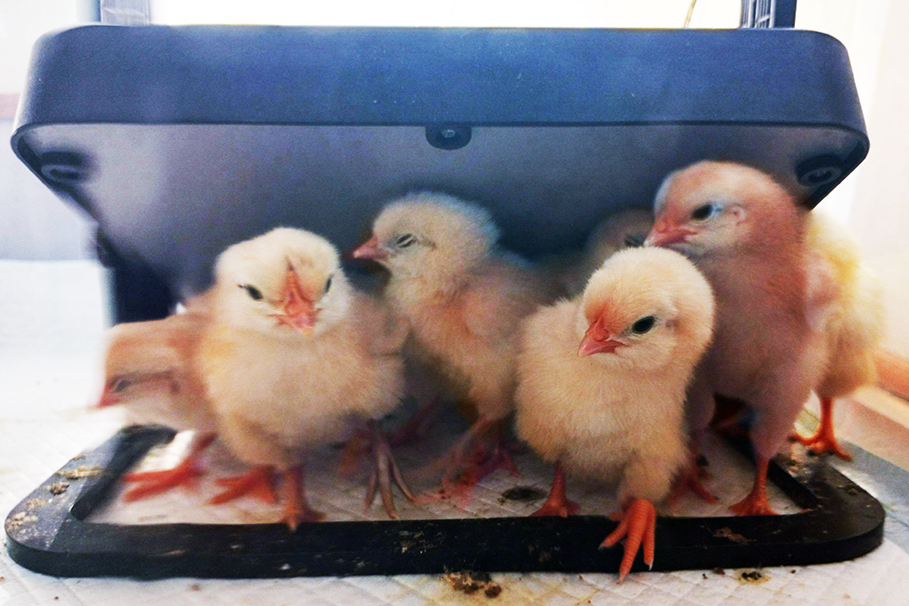
Chicks exploring their surroundings at Pinegrove Kindergarten.
Over several weeks, excitement grew as fertilised eggs were carefully placed in an incubator and everyone eagerly waited to see what would happen. Each day, our young learners checked the eggs, shared their observations with kaiako and whānau, and talked about the changes they noticed.
Using a process called candling, they were able to look inside the eggs and discover that not every egg develops into a chick. This opened the door to conversations about growth, fertilisation, and the conditions living things need to thrive.
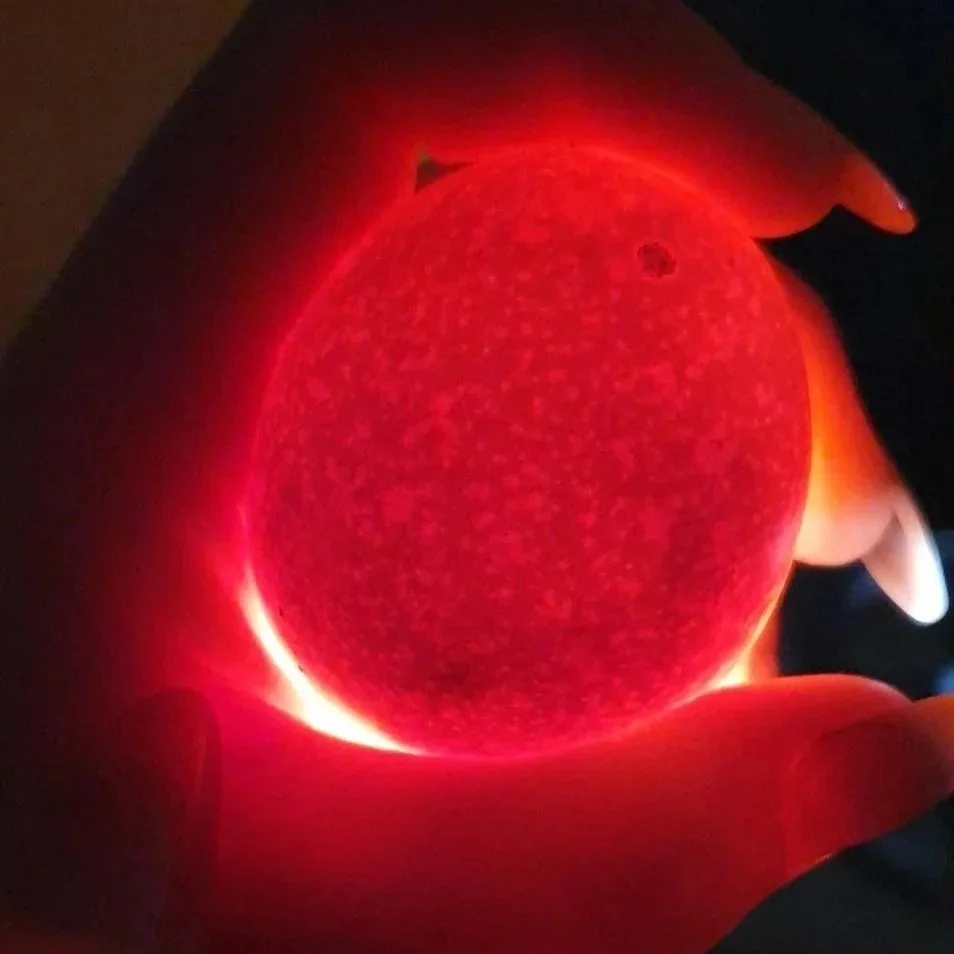
Using a process called candling, tamariki shine light through the egg to observe development.
The highlight came when the chicks began to hatch. Tamariki watched in awe as each chick used its tiny egg tooth to break through the shell before slowly emerging into the world. They noticed the chicks were wet and tired at first, then gradually dried out, fluffed up, and became more active over the following days.
As the chicks grew, tamariki helped care for them by ensuring they had warmth, food, fresh water, and a clean, safe environment. They quickly learnt that caring for animals involves responsibility and kindness, while also observing how rapidly the chicks changed as they grew stronger and more confident.
Once the chicks were ready, they moved into a larger outdoor enclosure where they could scratch, peck, and explore. Watching these natural behaviours helped deepen their understanding of how animals live and interact with their environment.
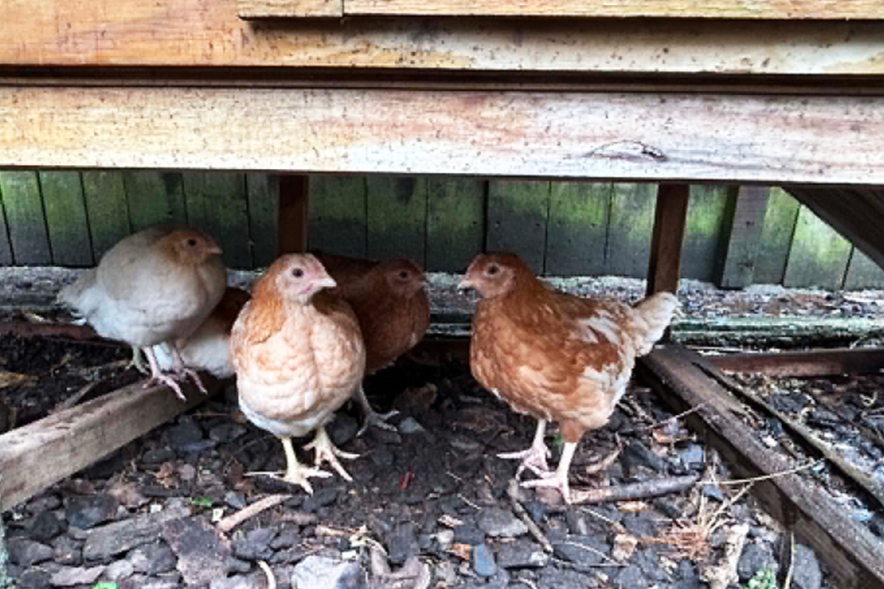
The chicks in their outdoor enclosure where they can scratch, peck, and explore.
Learning Through Experience
This project was a wonderful example of hands-on learning at Pinegrove Kindergarten. Tamariki explored the life cycle of a chicken through observation, questioning, prediction, and discussion, developing an understanding of how living things grow and change over time.
Alongside scientific learning, the experience nurtured empathy, patience, curiosity, and respect for living things. Caring for the chicks encouraged tamariki to think about the needs of others and the importance of treating animals with kindness and responsibility.
These authentic experiences help tamariki make meaningful connections with the natural world, inspiring a sense of wonder while building knowledge that will stay with them long after the chicks have grown.
Whakataukī
He taonga te mokopuna, kia whāngaia, kia tipu, kia rea.
A child is a treasure to be nurtured, to grow, and to flourish.
This whakataukī reminds us that tamariki thrive when they are nurtured, encouraged, and given opportunities to explore, discover, and grow.